Sweden
9.6 -11.2
The last but one Erasmus mobility for our project, "ECOEDU: Educate, Empower, Sustain – Schools Leading the Way for a Green Future," is taking place in Karlshamn, Sweden. This meeting, held between June 9th and 11th, 2026, aims to bridge the gap between theoretical sustainability knowledge and practical engagement through transnational cooperation.

Day One: Foundations and Cultural Bridges
All our partners arrived on 8th June, we met in the school lounge of Vägga Gymnasieskola the day after. This school is uniquely positioned for this mobility, as it has earned the distinction of "School for Sustainable Development".

After the welcoming greetings and Swedish “fika” - a social sustainability activity fostering intercultural dialogue- our guests were guided to a school tour by two of our teachers, Carina and Jonas. In the picture below they are visiting the Vehicle and Transport program. It was great to give our guests a real look at how we bring 'green' and social issues to life in our everyday teaching, showing that sustainability really is at the heart of our school

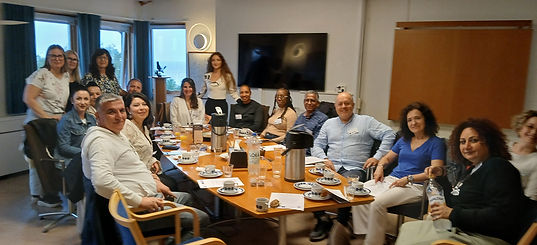
The day’s agenda was fully charged so we started our workshops in the conference room. We talked about the project work so far and shared the results. The focus was on “Management and dissemination” (Work Package 1 and 5). We briefly reviewed our initial application to confirm our common goals and the current distribution of tasks.
The digital collaboration is one of the most important tools for the project results. We went through the platforms and forums we all are using in our project, specifically focusing on the E-platform and the requirements for the diploma. We’re putting a lot of focus on building our digital skills together, as this is a big priority for our project. The goal is to make it easier for schools all over Europe to bring green skills into the classroom in a way that really works for today’s students.


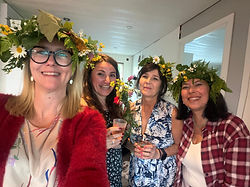
Before finishing up the first workshop a couple of students representing the Art program paid us a short visit and delivered a pleasant surprise: they described for our guests what Midsummer is, what it means for the Swedes and how we celebrate it. This activity directly supports our goal of fostering cultural sustainability and protecting our cultural heritage for future generations.
To wrap up our first official working session, we held a Certification Ceremony. Participation certificates were awarded to all delegates, marking our progress toward becoming a unified European multicultural education environment. The day concluded with a dinner together, strengthening our partnership and building the cultural bridges mentioned in our project objectives.
Day Two: Circular Economy and Sustainable Consumption
This day was dedicated to practical workshops within different aspects of sustainability. We hired a bus to go to Ikea in Älmhult where we were welcomed by Jurek, the Ikea representative, responsible for the workshop.
This was a very interesting day of inspiration about sustainability in its different forms. We explored how resources can be reused and recycled in a large-scale economic system to minimize environmental impact. This session provided a practical study of the Circular Economy, which is a core focus of Work Package 4. Participants gained the necessary tools to understand the transition from a linear economy to a circular one, reducing dependence on limited resources.
We got a lot of material to apply in our classrooms with our students. These results will be integrated into our innovative curriculum products, such as the upcoming e-learning modules and mobile application, which aim to raise awareness among young people regarding sustainable economic principles. We further explored themes of social entrepreneurship, looking at how businesses can prioritize people and the planet alongside profit.
Day Three: Biodiversity and Holistic Well-being
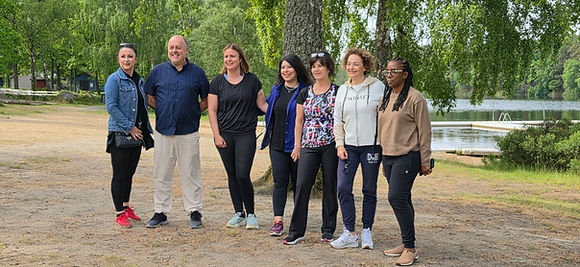
The day was spent outdoors, in the recreation area of Långasjönäs. This excursion focused on Work Package 3: "Sustainable Practices for a Green Future," emphasizing ecological sustainability and the preservation of ecosystems.
We talked about The Right of Public Access (Allemansrätten) which is quite unique in Europe. The information about Swedish environmental laws and how they support the preservation of biological diversity and nature conservation was a very highly appreciated topic. Understanding these legal frameworks is essential for instilling a sense of citizenship duty regarding environmental protection in our students.
Later, an outdoor yoga session for promoting health and well-being as part of social sustainability was performed. It was a great reminder that our project is for everyone, showing that being sustainable isn't just about nature - it’s also about staying healthy and looking out for one another.
We invited our guests to a typical Swedish lunch: barbecued sausages and accessories. Our third activity for the day was a surprise for the guest, as almost neither of them had made it before, namely canoeing. It was scary (according to them) but felt wonderful once back on land again. This eco-friendly water exploration allowed participants to observe Lake Långasjön’s ecosystem silently, fostering a deep, hands-on connection with nature and biodiversity.
Time goes quickly when you have fun; so did the last evening together. As part of the cultural bond within our international partnership, an “one week early-midsummer” dinner was organised, consisting of the most joyful moments and delicious food, linked to our long-awaited Midsummer. This traditional buffet highlighted the importance of local food traditions in our shared European culture.